
Guitar Zoom
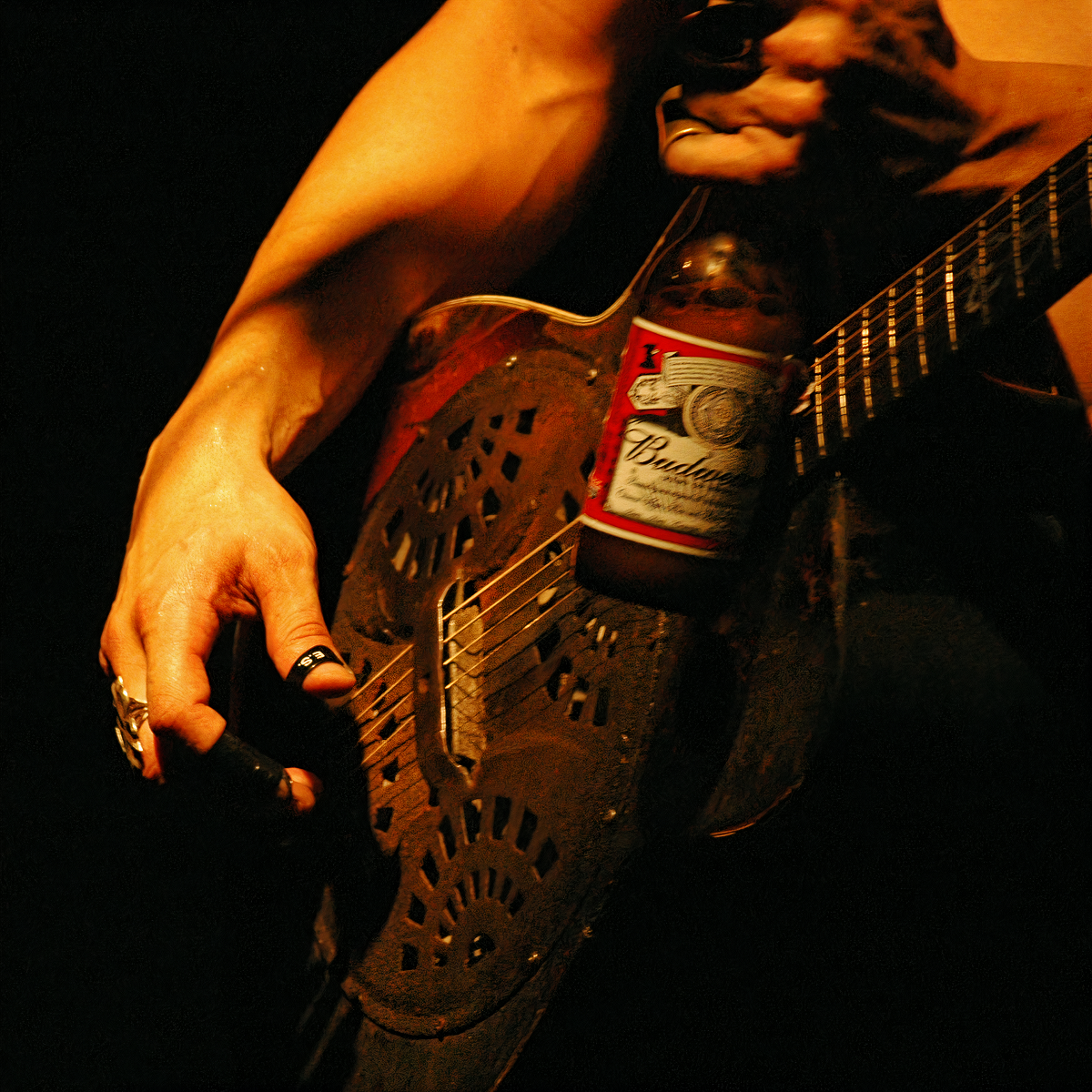
Bottleneck
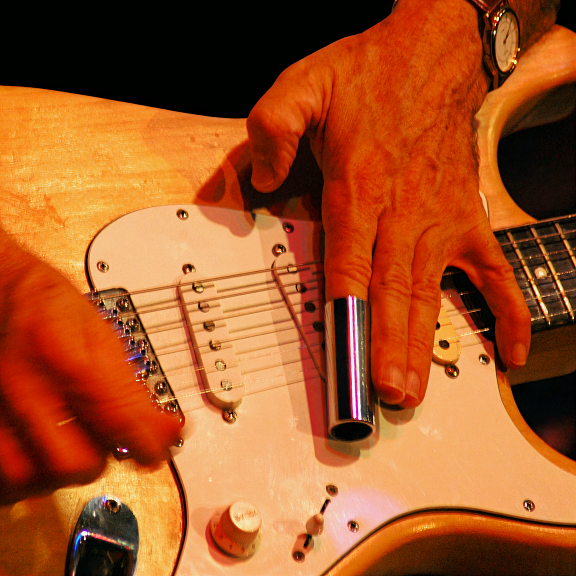
Slow Burn
Where my art began
(“This Is About the Guitar. And the People Who Can’t Put It Down.”)
The idea had to start somewhere.
Before there was a series, before there was a style, before there was abstraction, I was simply a photo enthusiast who loved music. I was a musician, a singer, a songwriter, a guitar player — and like many people who love music deeply, I wanted to be close to it. So I carried my big Nikon and heavy lenses into clubs and theaters, lugging them to local shows and national acts whenever I could.
Many of those national shows were blues-rock shows — not just because I loved the music, but because those were the rooms that would let you bring a camera inside. I shot countless performances, and I shared the images freely with local bands I followed and photographed often. That was part of the culture. Part of the exchange.
But somewhere along the way, I found my shot.
It wasn’t the wide stage.
It wasn’t the face.
It wasn’t the spotlight moment.
It was the extreme close-up of hands and guitar.
This shot was brutally difficult. You had to capture the exact moment — the right angle, the right timing, the right focus — while everything was moving. Hands flying. Strings vibrating. Lights flashing. Sweat. Motion. Noise. Out of hundreds of frames, maybe one would be special.
I took thousands of these photographs to build the collection I have today.
At this distance, it doesn’t matter if the musician is famous. The identity dissolves. What remains is the instrument and the human interaction with it. The guitar becomes the subject. The hands become the story.
The wear on the guitar.
The scratches and dents earned through use.
The rings and bracelets on the player.
The digging-in of fingertips.
The callouses.
The scars.
I often tried to catch the moment when the playing moved up the neck — when both hands could live inside the same frame. To do that, I usually had to be right at the front of the stage, close enough to see details that no one else could. Sometimes it was the blur of motion that made the image. Sometimes it was the impossible sharpness — the kind of sharpness camera companies used to brag about in watch advertisements.
Back then, cameras were compared by their ability to photograph a wristwatch in perfect focus — posed, lit, still.
I captured mine in flashing, strobing light — while everything was moving.
You could read the time on the watch.
You could see the hair on the back of a hand.
You could feel the tension in the strings.
I called these photographs Guitar Zoom.
They were made for guitar players — to decorate the spaces where they live, practice, and think. Because a guitar player is a guitar player all the time. It’s a shared identity. A massive, global group of people drawn to this instrument — from the most talented players to the absolute beginner.
Picking up a guitar is an act of curiosity.
Learning to make it sing is an act of patience.
Writing songs is an act of vulnerability.
Forming a band is harder than finding a spouse — because it’s more than two people learning how to become something together.
And then there’s the guitar itself.
The endless shapes.
The colors.
The wood grains.
The stains.
The fretboards made from dense, exotic woods gathered from around the world.
A guitar is beautiful when it’s perfect.
And it’s beautiful when it’s worn.
Like a well-used book, or a Bible that has been opened and studied thousands of times — the wear matters. The wear means something. Each guitar develops a personality. Some gain fame. Most simply gain history.
But eventually, I wanted more than the photograph.
I knew that thousands of concert photographers probably had images like these sitting quietly in their archives. I wanted to take this shot — this same framing, this same subject — and push it further. To move it from a great picture into enduring art. Something instantly recognizable as mine.
My style.
My voice.
My signature.
I wanted to capture energy.
Sound.
Transformation.
The movement from solid to sound.
From sight to memory.
From wave to particle.
From realism into abstraction — while always remaining the same shot: hands and guitar.
That pursuit has never stopped.
I love the guitar.
I love playing.
I love listening.
I love exploring pedals to create new sounds.
I love plugging into different amps to chase the elusive tone — the one that feels like recognition.
This work is for everyone who loves guitars.
For the players who spend countless hours practicing, only to realize the more they learn, the more there is to learn. For the beginner — even the toddler running tiny hands across the strings, startled by the sound they just created. The laugh. The smile. The moment of discovery.
It’s about the connection.
Sound leaves the hand, travels through space, enters another human being, becomes electrical signal, memory, emotion — and sometimes, meaning. Sometimes connection. Sometimes the simplest and most elusive thing we have.
This is where Guitar Zoom began.
And it’s still giving me more.
The chase of what can be removed.
What can be bent.
What can be recolored.
What can dissolve — while the essence remains.
My hope is that when you look at one of these pieces, you don’t just see it.
You hear it.
You feel the whole — and then you discover the tiny distortions, the details hiding inside the abstraction. The place where form becomes sound, and sound becomes memory.
This is Guitar Zoom.
This is where it all started.
And I’m still chasing it.
Where it all began
The idea had to start somewhere.
Before there was a series, before there was a style, before there was abstraction, I was simply a photo enthusiast who loved music. I was a musician, a singer, a songwriter, a guitar player — and like many people who love music deeply, I wanted to be close to it. So I carried my big Nikon and heavy lenses into clubs and theaters, lugging them to local shows and national acts whenever I could.
Many of those national shows were blues-rock shows — not just because I loved the music, but because those were the rooms that would let you bring a camera inside. I shot countless performances, and I shared the images freely with local bands I followed and photographed often. That was part of the culture. Part of the exchange.
But somewhere along the way, I found my shot.
It wasn’t the wide stage.
It wasn’t the face.
It wasn’t the spotlight moment.
It was the extreme close-up of hands and guitar.
This shot was brutally difficult. You had to capture the exact moment — the right angle, the right timing, the right focus — while everything was moving. Hands flying. Strings vibrating. Lights flashing. Sweat. Motion. Noise. Out of hundreds of frames, maybe one would be special.
I took thousands of these photographs to build the collection I have today.
At this distance, it doesn’t matter if the musician is famous. The identity dissolves. What remains is the instrument and the human interaction with it. The guitar becomes the subject. The hands become the story.
The wear on the guitar.
The scratches and dents earned through use.
The rings and bracelets on the player.
The digging-in of fingertips.
The callouses.
The scars.
I often tried to catch the moment when the playing moved up the neck — when both hands could live inside the same frame. To do that, I usually had to be right at the front of the stage, close enough to see details that no one else could. Sometimes it was the blur of motion that made the image. Sometimes it was the impossible sharpness — the kind of sharpness camera companies used to brag about in watch advertisements.
Back then, cameras were compared by their ability to photograph a wristwatch in perfect focus — posed, lit, still.
I captured mine in flashing, strobing light — while everything was moving.
You could read the time on the watch.
You could see the hair on the back of a hand.
You could feel the tension in the strings.
I called these photographs Guitar Zoom.
They were made for guitar players — to decorate the spaces where they live, practice, and think. Because a guitar player is a guitar player all the time. It’s a shared identity. A massive, global group of people drawn to this instrument — from the most talented players to the absolute beginner.
Picking up a guitar is an act of curiosity.
Learning to make it sing is an act of patience.
Writing songs is an act of vulnerability.
Forming a band is harder than finding a spouse — because it’s more than two people learning how to become something together.
And then there’s the guitar itself.
The endless shapes.
The colors.
The wood grains.
The stains.
The fretboards made from dense, exotic woods gathered from around the world.
A guitar is beautiful when it’s perfect.
And it’s beautiful when it’s worn.
Like a well-used book, or a Bible that has been opened and studied thousands of times — the wear matters. The wear means something. Each guitar develops a personality. Some gain fame. Most simply gain history.
But eventually, I wanted more than the photograph.
I knew that thousands of concert photographers probably had images like these sitting quietly in their archives. I wanted to take this shot — this same framing, this same subject — and push it further. To move it from a great picture into enduring art. Something instantly recognizable as mine.
My style.
My voice.
My signature.
I wanted to capture energy.
Sound.
Transformation.
The movement from solid to sound.
From sight to memory.
From wave to particle.
From realism into abstraction — while always remaining the same shot: hands and guitar.
That pursuit has never stopped.
I love the guitar.
I love playing.
I love listening.
I love exploring pedals to create new sounds.
I love plugging into different amps to chase the elusive tone — the one that feels like recognition.
This work is for everyone who loves guitars.
For the players who spend countless hours practicing, only to realize the more they learn, the more there is to learn. For the beginner — even the toddler running tiny hands across the strings, startled by the sound they just created. The laugh. The smile. The moment of discovery.
It’s about the connection.
Sound leaves the hand, travels through space, enters another human being, becomes electrical signal, memory, emotion — and sometimes, meaning. Sometimes connection. Sometimes the simplest and most elusive thing we have.
This is where Guitar Zoom began.
And it’s still giving me more.
The chase of what can be removed.
What can be bent.
What can be recolored.
What can dissolve — while the essence remains.
My hope is that when you look at one of these pieces, you don’t just see it.
You hear it.
You feel the whole — and then you discover the tiny distortions, the details hiding inside the abstraction. The place where form becomes sound, and sound becomes memory.
This is Guitar Zoom.
This is where it all started.
And I’m still chasing it.